October 3, 2026
Wedding receptions have evolved beyond traditional plated dinners and standard buffet lines. Couples increasingly want their celebrations to feel personal, memorable, and engaging from the moment guests arrive through the final course. Food has become an important part of that experience, with interactive stations giving guests opportunities to explore flavors, customize selections, and watch dishes come together in an inviting setting.
This shift has influenced how couples approach wedding catering, particularly when they want the meal to complement the atmosphere of their celebration. Interactive stations can encourage conversation, accommodate varied preferences, and transform dining into part of the entertainment. Rather than treating food as a scheduled pause between other reception activities, couples can use thoughtfully planned stations to keep guests engaged while creating a natural sense of movement throughout the venue.
Creating More Personalized Guest Experiences
Personalization is one of the strongest reasons interactive food stations have become appealing for weddings. Guests may have different tastes, dietary considerations, and preferences regarding portion sizes. A station format can provide flexibility while maintaining a cohesive menu designed around the couple’s overall vision.
Customization might involve selecting toppings, sauces, accompaniments, or complementary ingredients. Guests can make choices that suit their preferences without requiring completely separate menus. For couples, this provides a way to offer variety while still presenting food in a coordinated and intentional manner.
Creating More Social Dining Environments
Interactive stations naturally encourage guests to move around the reception space. Instead of remaining at assigned tables for the entire meal, attendees can visit different areas, see what is being prepared, and interact with people they may not otherwise meet during the celebration.
This movement can create a more relaxed social environment. Weddings often bring together relatives, friends, coworkers, and other guests from different parts of a couple’s lives. Food stations can provide informal opportunities for conversation as guests browse selections or wait for freshly prepared dishes.
Creating More Memorable Culinary Presentations
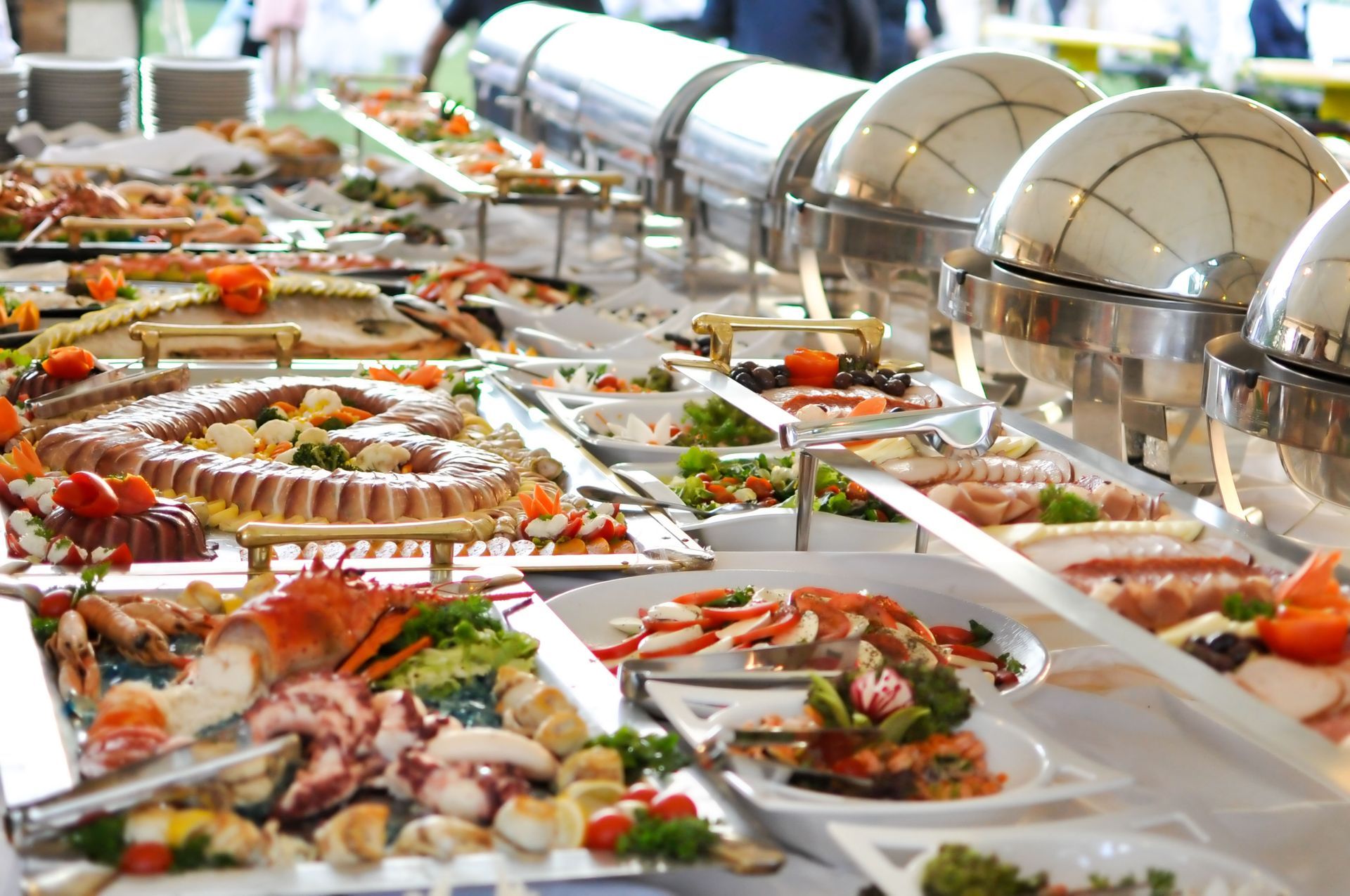
Presentation has always mattered in event dining, but interactive stations introduce another visual dimension. Guests are not simply presented with finished plates. They may also see ingredients displayed, dishes assembled, or finishing touches added before the food is served.
That visibility can increase anticipation and make the menu more memorable. A beautifully organized station contributes to the visual character of the reception while helping guests understand what is available. Serving pieces, signage, displays, and food presentation can all coordinate with the broader event aesthetic.
Interactive wedding catering can therefore contribute to both dining and décor. The goal is not necessarily to create an elaborate spectacle. Even understated stations can feel distinctive when presentation, menu selection, and service are thoughtfully coordinated. A polished setup can complement elegant, rustic, modern, or casual celebrations without overwhelming the overall design.
Creating More Diverse Menu Opportunities
Food stations also give culinary teams greater flexibility when developing a varied menu. Instead of asking every guest to select from the same limited set of entrées, couples can incorporate multiple flavors and dining styles throughout the reception.
Stations may focus on savory dishes, small plates, regional specialties, comfort foods, fresh ingredients, desserts, or other concepts appropriate for the event. A menu can move between familiar selections and more adventurous flavors while maintaining a consistent culinary direction.
This flexibility reflects broader momentum within the catering industry. According to the Food Liability Insurance Program, 51% of catering businesses grew in 2025. That growth provides useful context for an industry responding to evolving event expectations, including demand for distinctive menus and experiences.
For wedding catering, variety still requires careful coordination. The strongest menus are not simply collections of unrelated foods. Ingredients, flavors, portions, and service styles should work together so the overall meal feels intentional from beginning to end.
Creating More Flexible Reception Formats
Not every wedding follows the same schedule or level of formality. Some couples prefer a structured reception with clearly defined dining periods, while others want guests to eat, socialize, and celebrate more freely. Interactive stations can adapt to different approaches.
A station-based meal can support receptions where guests circulate between indoor and outdoor spaces, lounge areas, dance floors, or other gathering points. It may also work alongside passed selections or other service formats to create different dining moments throughout the event.
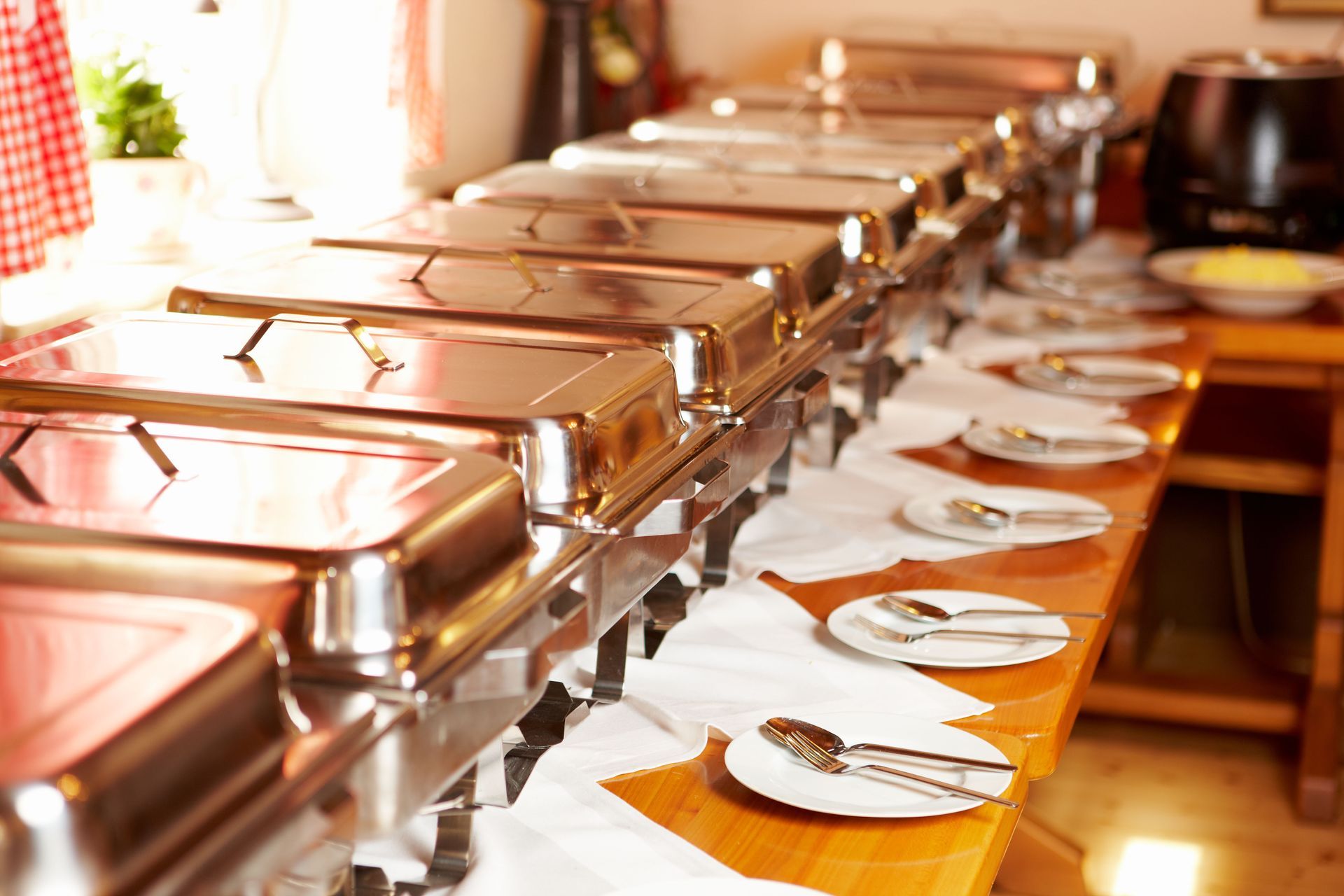
Professional wedding catering planning helps determine whether stations fit the venue, guest experience, and desired schedule. Kitchen access, available space, service requirements, food temperature, replenishment, and guest flow all influence how successfully the format works. The objective is to create flexibility without sacrificing organization or service quality.
Creating More Inclusive Menu Selections
Modern wedding menus frequently need to account for a range of dietary preferences and restrictions. Interactive stations can offer a useful framework for providing choices when they are carefully designed and clearly communicated.
Guests may appreciate being able to identify selections that align with their dietary needs without drawing unnecessary attention to themselves. Thoughtful menu labeling and knowledgeable service staff can help attendees understand available options and make informed selections.
However, interactive service does not eliminate the importance of professional food handling. Cross-contact, ingredient management, and serving procedures require careful consideration, particularly when allergies or specific dietary restrictions are involved. Experienced wedding catering professionals can incorporate these concerns into the overall service plan while preserving the visual appeal and convenience of the stations.
Creating More Efficient Guest Flow
A successful interactive dining experience depends heavily on logistics. Attractive displays and interesting menu concepts are only part of the equation. Guests should be able to access food comfortably without long bottlenecks or confusion about where to go.
Station placement can influence how people move throughout the reception. Spreading food service across appropriate areas may reduce congestion while encouraging guests to explore the venue. The number and type of stations should also correspond with the expected guest flow and the foods being served.
Timing is equally important. Some foods can be served quickly, while others require additional preparation or finishing. Wedding catering teams must consider these differences when developing a service plan, so one popular station does not become overwhelmed while another remains underused. Thoughtful staffing, replenishment, and layout help maintain a polished experience.
Creating More Cohesive Wedding Celebrations
Interactive food stations are most effective when they support the larger wedding vision. A station should not feel like an isolated trend added simply because it is popular. Its menu, presentation, placement, and service style should make sense within the atmosphere the couple wants to create.
For an elegant reception, stations may emphasize refined presentation and attentive service. A relaxed celebration may favor approachable dishes and casual interaction. Other weddings may incorporate cultural influences or foods connected to meaningful memories. In each case, the dining format becomes another way to communicate the couple’s preferences.
This is where thoughtful wedding catering becomes particularly valuable. Culinary planning can connect food with venue design, reception timing, guest expectations, and the desired level of formality. When these elements work together, interactive dining feels like a natural part of the celebration rather than a separate attraction.
Creating More Lasting Wedding Memories
The rise of interactive food stations reflects a broader change in how couples think about reception dining. Guests still expect enjoyable food and attentive service, but the experience surrounding the meal has become increasingly important. Couples are looking for ways to make their celebrations feel distinctive, welcoming, and connected to their personalities.
Interactive stations can support those goals by combining variety, customization, presentation, and social interaction. Their success depends on more than selecting an appealing food concept. Menu balance, venue layout, service timing, dietary needs, and guest flow all contribute to the final experience.
When carefully planned, wedding catering can turn dining into a memorable part of the reception without distracting from the reason everyone has gathered. Food becomes an opportunity for guests to connect, explore, and celebrate together while enjoying a menu designed specifically for the occasion.
Creating Your Interactive Catering Experience
At Chef NIC Catering Co., we can help bring interactive dining into your wedding celebration with thoughtful menu planning and coordinated service. We work with couples to develop an experience that reflects their event while considering presentation, guest preferences, and the overall flow of the reception. Contact us to discuss your vision and learn how our team can create a memorable catering experience for your wedding.